
Managing borrowers effectively becomes significantly more difficult as funding volume increases.
Many funding organizations eventually struggle with:
- fragmented communication
- disorganized borrower records
- inconsistent follow-ups
- poor documentation tracking
- incomplete onboarding
- and operational bottlenecks
Without centralized systems, maintaining borrower visibility across the funding lifecycle becomes increasingly inefficient.
The strongest funding organizations rely on structured client management systems that improve organization, workflow consistency, and operational scalability.
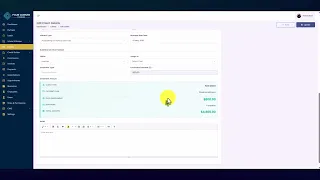
▶ Watch the Client Management Walkthrough
━━━━━━━━━━━━━━━━━━━━━━━━━━
👥 Client Management Overview Video
Monitor:
- Borrower profiles
- Business information
- Financial visibility
- Document management
- Task organization
- Agreement tracking
- Operational activity logs
- Workflow progression
▶️ WATCH THE VIDEO WALKTHROUGH:
https://youtu.be/YdzNpRfUtD0
━━━━━━━━━━━━━━━━━━━━━━━━━━
Why Centralized Borrower Management Matters
One of the biggest operational challenges in commercial finance is maintaining visibility across multiple borrower relationships simultaneously.
As organizations grow, teams often lose track of:
- borrower communication
- application progression
- required documentation
- onboarding status
- and funding readiness
That creates operational confusion and weaker borrower experiences.
Centralized client systems help organizations maintain cleaner operational control while improving borrower visibility throughout the funding lifecycle.
Improving Operational Visibility
Strong borrower management is far more than storing contact information.
Funding organizations also need visibility into:
- business financials
- document progression
- outstanding tasks
- agreements
- communication history
- and operational activity
Without structured systems, teams often rely on:
- spreadsheets
- disconnected notes
- email chains
- and fragmented communication
That approach eventually becomes difficult to scale efficiently.
Why Document Management Matters
Documentation is one of the most important components of underwriting readiness.
Missing or inconsistent documents often create:
- underwriting delays
- weak submissions
- borrower frustration
- and operational inefficiencies
Structured document management systems help organizations:
- organize required documents
- monitor completion status
- reduce missing information
- and improve workflow consistency
This becomes increasingly valuable as borrower volume grows.
Why Activity Tracking Improves Workflow Management
Many operational problems occur because teams lose visibility into borrower activity and communication history.
Centralized activity tracking allows organizations to monitor:
- file updates
- communication history
- operational changes
- task progression
- and borrower movement throughout the process
This creates stronger internal coordination and cleaner workflow management across departments.
Why Task Management Improves Scalability
As funding pipelines grow, operational task management becomes increasingly important.
Without structured task systems, organizations often experience:
- missed follow-ups
- inconsistent borrower communication
- delayed onboarding
- and operational inefficiencies
Centralized task management improves:
- workflow organization
- team coordination
- borrower visibility
- and operational accountability
The stronger the workflow structure becomes, the easier it becomes to scale borrower operations professionally.
Why Strong Borrower Experiences Matter
Funding organizations that maintain cleaner borrower experiences usually position themselves more effectively for long-term growth.
Borrowers expect:
- organized communication
- operational transparency
- clear progression visibility
- and professional workflow management
Structured client systems help organizations improve operational consistency while strengthening long-term borrower relationships.
Conclusion
The strongest funding organizations rely on centralized borrower infrastructure to improve:
- workflow consistency
- operational organization
- borrower visibility
- communication management
- underwriting readiness
- and long-term scalability
As organizations continue growing, structured client management systems become increasingly important for maintaining operational efficiency and stronger borrower experiences.
🚀 Explore the Four Corner Funding Partner Platform
━━━━━━━━━━━━━━━━━━━━━━━━━━
Manage:
- Borrower workflows
- Client onboarding
- Document organization
- Funding readiness
- Operational visibility
- Team collaboration
🔗 EXPLORE THE PLATFORM:
www.fourcornerfunding.com
━━━━━━━━━━━━━━━━━━━━━━━━━━