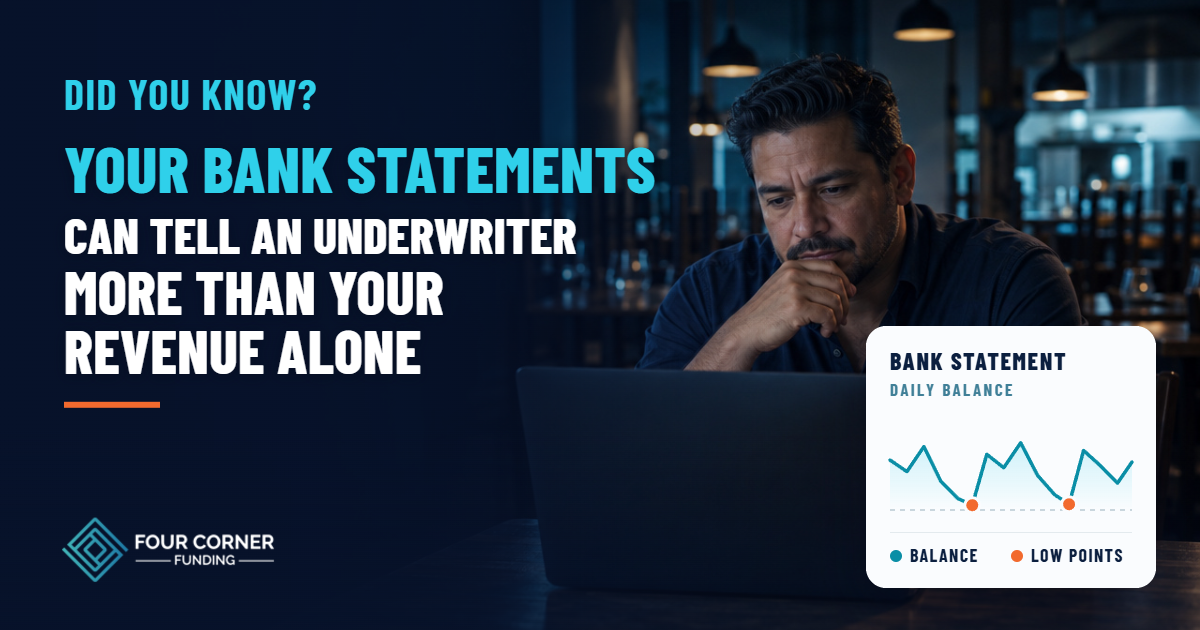

Introduction
One of the most common questions business owners ask is:
“How much funding can I actually get?”
The answer is not based on a single number or assumption.
From an underwriting perspective, funding amounts are determined by a combination of factors including credit profile, revenue, time in business, and overall risk exposure.
Understanding how these variables interact is key to setting realistic expectations and improving approval outcomes.
What Determines Your Funding Amount
Funding is not assigned randomly—it is calculated based on risk.
The primary factors include:
1. Credit Profile (Personal & Business)
Lenders evaluate:
- Personal credit (in many cases)
- Business credit profile (if established)
- Payment history and credit behavior
Stronger credit profiles typically support:
- Higher approval amounts
- Better terms
- More flexible options
2. Revenue & Cash Flow
Revenue is one of the most important variables.
Underwriting reviews:
- Monthly revenue consistency
- Deposit patterns
- Cash flow stability
In many cases, funding is tied directly to revenue capacity—not just credit strength.
3. Time in Business
Established businesses generally qualify for:
- Higher limits
- More traditional funding options
Startups or newer businesses may:
- Face lower limits
- Be restricted to specific funding types
4. Existing Debt & Payment Burden
Current obligations matter.
Lenders assess:
- Total monthly debt payments
- Outstanding balances
- Stacking risk
If a business is over-leveraged, funding amounts may be reduced—or declined entirely.
5. Industry & Risk Profile
Some industries carry higher perceived risk.
This can affect:
- Maximum funding limits
- Approval probability
- Available funding options
Typical Funding Ranges (General Framework)
While every business is different, funding amounts often fall within these general ranges:
- Early-stage / Startup: Lower funding limits, limited options
- Developing business: Moderate funding based on revenue and credit
- Established business: Higher funding potential with stronger terms
The key takeaway:
👉 Funding increases as your business becomes more verifiable, stable, and predictable
Why Most Businesses Overestimate Their Eligibility
Many business owners:
- Assume funding is based only on credit score
- Ignore revenue and debt exposure
- Apply without understanding underwriting criteria
This leads to:
- Unrealistic expectations
- Declines or reduced approvals
- Misalignment with funding options
How to Increase Your Funding Capacity
Improving eligibility is a structured process.
Focus on:
- Strengthening your credit profile
- Increasing and stabilizing revenue
- Reducing unnecessary debt
- Building business credit depth
- Ensuring your business is fully verifiable
Over time, these improvements directly impact funding potential.
Pre-Qualification: The Only Way to Know (CTA)
Estimates are not reliable—data is.
The most accurate way to determine how much funding your business can qualify for is through a structured pre-qualification review.
This evaluates:
- Credit position
- Revenue and cash flow
- Business structure
- Current obligations
From there, you can identify:
- Realistic funding ranges
- Available options
- Steps to increase eligibility
👉 Start here: https://fourcornerfunding.com/pre-qualification
Conclusion
Business funding is not based on guesswork—it is based on underwriting.
The amount your business can qualify for depends on how well it meets defined risk criteria across multiple areas.
By understanding these factors and approaching funding strategically, businesses can improve both approval outcomes and funding capacity over time.