
Introduction
One of the most common questions in business funding is:
“What credit score do I need to get approved?”
The assumption is that funding decisions are based on a single number.
From an underwriting perspective, that is incorrect.
Credit score is one factor—but it is evaluated alongside revenue, business structure, time in business, and overall risk profile.
Understanding how credit actually fits into underwriting is critical to setting expectations and improving approval outcomes.
The Short Answer (But Not the Full Story)
Different funding types have different credit expectations, but general ranges look like this:
- 700+ → Strong profile, broader access, better terms
- 650–699 → Acceptable, moderate approval options
- 620–649 → Limited options, higher scrutiny
- Below 620 → Restricted access, requires compensating factors
However:
👉 Credit score alone does NOT determine approval
What Lenders Actually Evaluate Beyond Credit Score
Credit score is only one part of the equation.
Underwriting also reviews:
1. Revenue & Cash Flow
Even with strong credit:
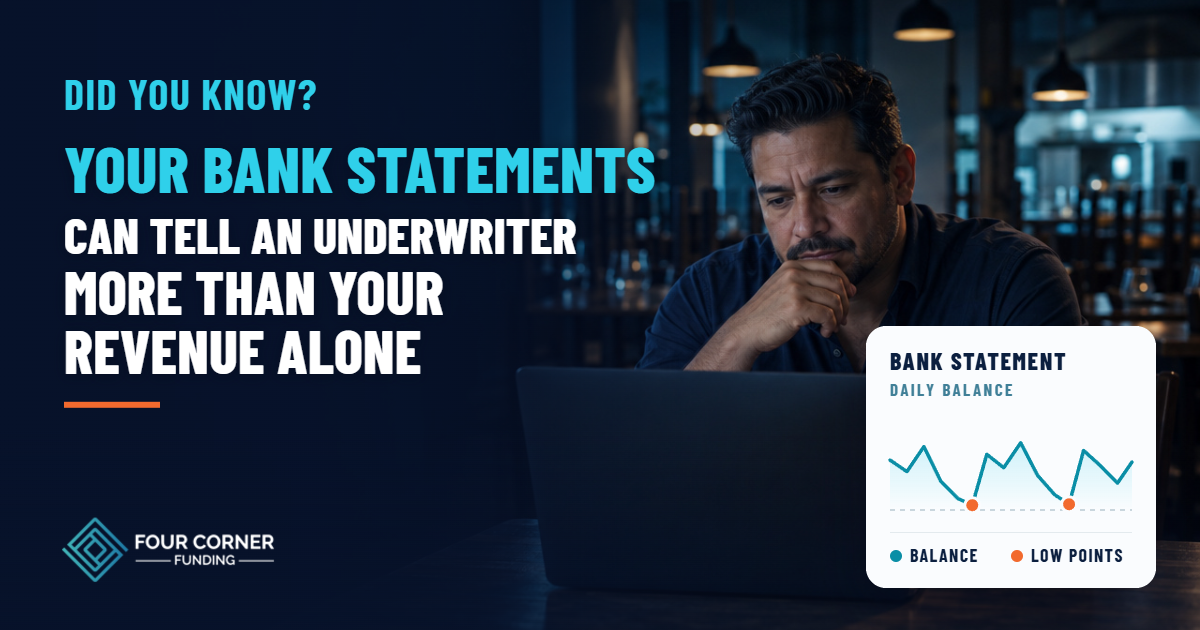
- Low or inconsistent revenue can result in decline
- Stable revenue can compensate for mid-range credit
2. Time in Business
- Established businesses → stronger approval positioning
- Newer businesses → more restrictions
3. Business Credit Profile
If established, lenders evaluate:
- Tradelines
- Payment history
- Credit depth
This can reduce reliance on personal credit over time.
4. Existing Debt & Payment Burden
- High obligations reduce approval capacity
- Stacking risk is a major factor in declines
5. Business Structure & Verification
- Proper entity setup
- Consistent business data
- Verifiable records
These are required for approval—regardless of credit score.
Why Credit Score Alone Is Misleading
Many business owners:
- Focus only on improving their score
- Ignore revenue, structure, and obligations
- Apply prematurely based on score alone
This leads to:
- Declines
- Lower approval amounts
- Misaligned expectations
Credit score is a signal—not a decision.
When Credit Score Matters Most
Credit score carries the most weight when:
- Business credit is not established
- The application requires a personal guarantee
- The business has limited operating history
As the business profile strengthens, reliance on personal credit decreases.
How to Improve Your Approval Position
Instead of focusing only on your score, focus on:
- Strengthening revenue consistency
- Reducing unnecessary debt
- Building business credit
- Ensuring full business verification
- Timing your application correctly
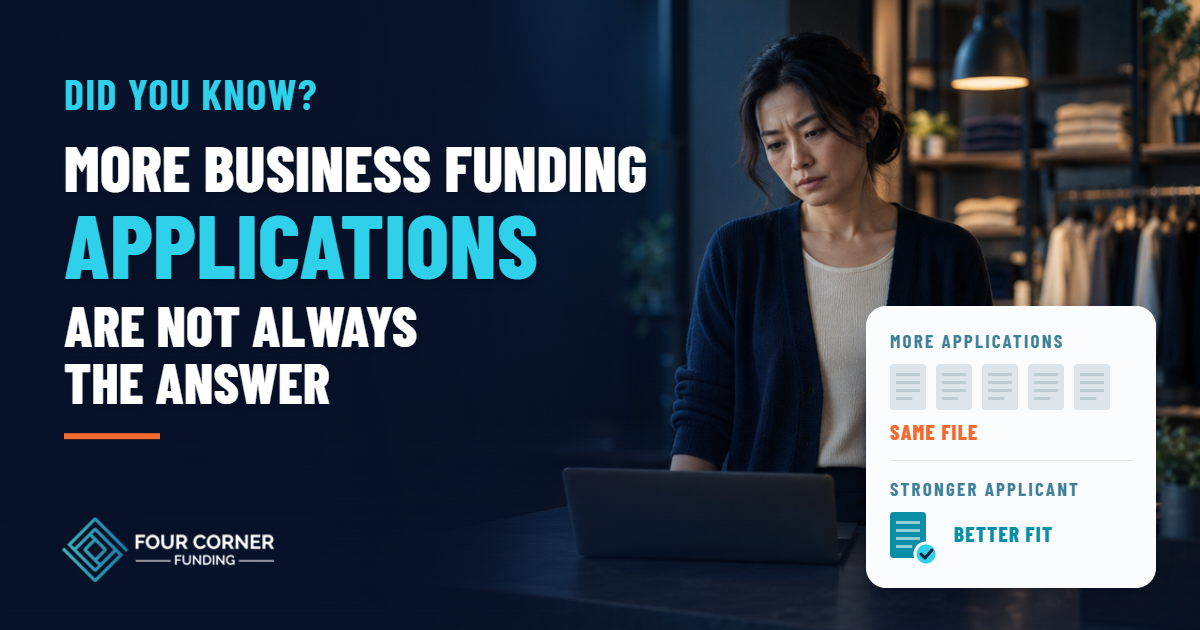
These factors collectively improve approval outcomes.
Pre-Qualification: The Real Answer (CTA)
Rather than relying on credit score assumptions, the most accurate way to determine eligibility is through pre-qualification.
A structured review evaluates:
- Credit profile
- Revenue and banking
- Business structure
- Existing obligations
From there, you can determine:
- Whether you qualify now
- What options are available
- What needs to improve
👉 Start here: https://fourcornerfunding.com/pre-qualification
Conclusion
Credit score is an important factor—but it is not the deciding factor in business funding.
Approvals are based on a full underwriting review that considers multiple aspects of your business.
By understanding how credit fits into the larger picture, businesses can approach funding more strategically and improve their chances of approval.