
Introduction
Startup business funding is one of the most misunderstood areas in financing.
Many new business owners assume they can access large amounts of capital immediately after forming an LLC or launching a business.
From an underwriting perspective, that assumption is incorrect.
Funding for startups is limited, conditional, and highly dependent on the strength of the owner and the structure of the business.
Understanding what you can realistically qualify for is the first step to approaching funding the right way.
The Reality of Startup Funding
Startups are considered high-risk.
Why:
- No operating history
- No established revenue
- Limited or no business credit
- Unproven business model
Because of this, lenders rely heavily on:
- Personal credit
- Financial stability
- Risk indicators
Startup funding is not based on potential—it is based on verifiable data.
What Startups Can Typically Qualify For
Funding options for startups are limited to specific categories.
1. Personal Credit-Based Funding
For most startups, this is the primary entry point.
Approval is based on:
- Personal credit score
- Credit profile strength
- Existing debt
This may include:
- Business credit cards
- Personal guarantee-based financing
2. Limited Equipment or Asset-Based Financing
In some cases, startups can qualify for:
- Equipment financing
- Asset-backed funding
This depends on:
- Credit strength
- Down payment (if required)
- Type of equipment
3. Smaller Working Capital Options
Some startups may qualify for limited working capital if:
- Personal credit is strong
- There is some form of revenue or deposits
- Risk profile meets minimum criteria
These approvals are typically:
- Lower in amount
- Higher in cost
What Startups Do NOT Qualify For (Yet)
This is where expectations need to be corrected.
Most startups will NOT qualify for:
- Large unsecured business loans
- Traditional bank financing
- High-limit lines of credit
- No-PG (no personal guarantee) funding
These require:
- Time in business
- Revenue history
- Established credit profile
What Underwriting Is Looking For
Even for startups, underwriting evaluates:
- Personal credit profile
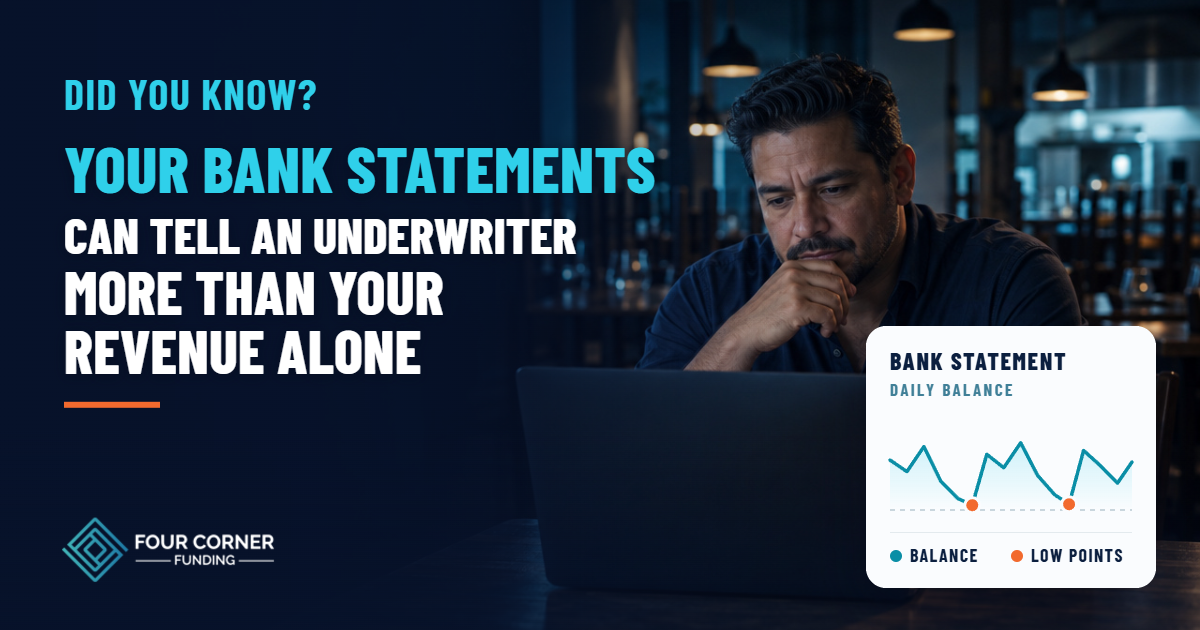
- Financial stability
- Debt-to-income or payment burden
- Business structure and verification
- Industry risk
Strong personal positioning can improve startup funding outcomes—but it does not eliminate risk.
How to Increase Startup Funding Eligibility
Startups can improve their position by focusing on:
- Strengthening personal credit
- Reducing unnecessary debt
- Establishing a clean business structure
- Opening and maintaining business banking
- Beginning the business credit building process
Over time, this transitions the business from:
👉 Personal reliance → Business-based eligibility
The Transition From Startup to Fundable Business
Funding access expands as the business develops:
- Revenue becomes consistent
- Business credit profile grows
- Time in business increases
- Risk decreases
This progression is what moves a business into higher funding tiers.
Why Most Startup Funding Advice Is Misleading
Many sources promote:
- “No credit check funding”
- “Instant business loans”
- “High limits with no history”
These claims ignore underwriting reality.
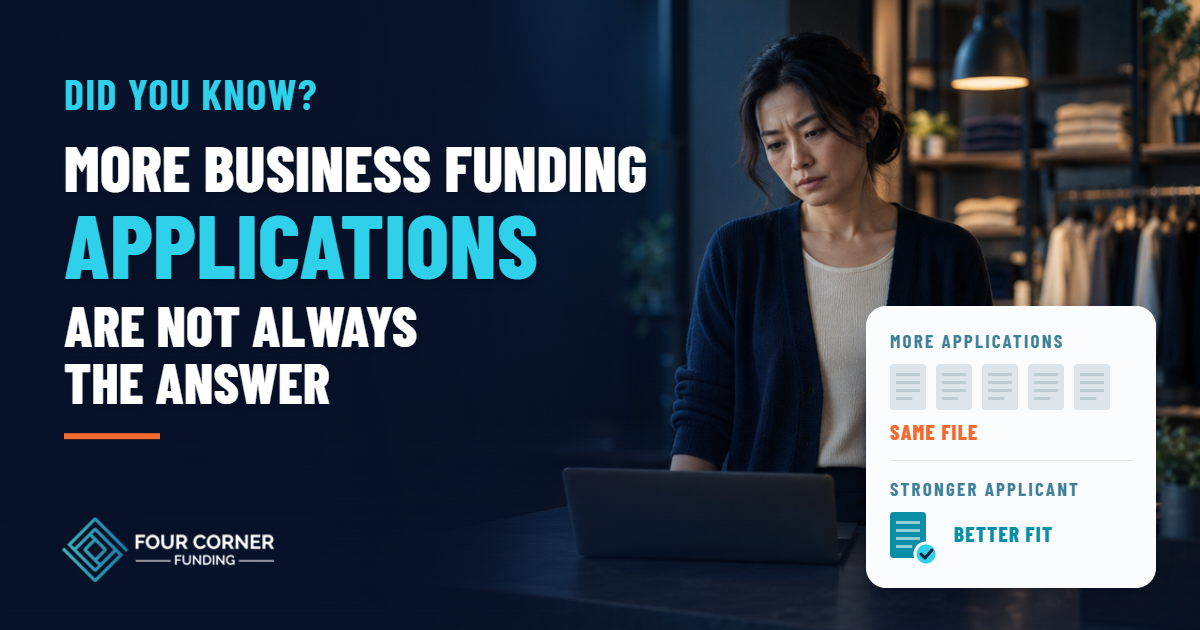
Businesses that follow this advice often:
- Apply too early
- Get declined
- Damage their funding position
Start With Pre-Qualification (CTA)
Before applying for any startup funding, the first step should be understanding your actual eligibility.
A structured pre-qualification review evaluates:
- Personal credit position
- Business structure
- Financial profile
- Funding readiness
From there, you can determine:
- What you qualify for now
- What options are realistic
- What steps are needed to improve
👉 Start here: https://fourcornerfunding.com/pre-qualification
Conclusion
Startup funding is not unlimited—and it is not immediate.
It is based on risk, structure, and financial positioning.
By understanding what is realistic and approaching funding strategically, startups can avoid unnecessary declines and build toward stronger funding opportunities over time.