
Introduction
Most business owners apply for funding without knowing if they qualify.
From an underwriting perspective, this is one of the primary reasons applications are declined.
Business funding pre-qualification exists to determine eligibility before a formal submission is made. It evaluates whether a business meets minimum requirements based on credit, revenue, structure, and verification standards.
Understanding this process is critical to avoiding unnecessary denials and positioning your business for approval.
What Is Pre-Qualification in Business Funding
Pre-qualification is a preliminary underwriting review.
It is used to assess whether a business meets baseline criteria for funding without triggering a full application process.
This review typically evaluates:
- Business credit profile (if established)
- Personal credit profile (where applicable)
- Time in business
- Revenue consistency
- Banking activity
- Industry classification
- Entity verification status
Pre-qualification does not guarantee approval, but it determines whether a business is eligible to proceed.
Why Pre-Qualification Matters
From an underwriting standpoint, every application carries risk.
Submitting applications without pre-qualification can result in:
- Unnecessary denials
- Negative impact on credit (depending on product)
- Reduced approval odds in future submissions
- Misalignment with lender requirements
Pre-qualification reduces these risks by ensuring that applications are submitted only when the business meets the appropriate criteria.
What Underwriting Systems Are Looking For
Pre-qualification is not subjective. It is based on defined criteria.
These include:
1. Credit Position
- Personal credit (where required)
- Business credit presence and depth
2. Revenue & Cash Flow
- Monthly revenue consistency
- Deposit patterns
- Banking stability
3. Time in Business
- Startups vs. established businesses
- Industry-specific minimums
4. Entity & Fundability
- Proper business setup
- Verifiable address, phone, and records
- No conflicting or incomplete data
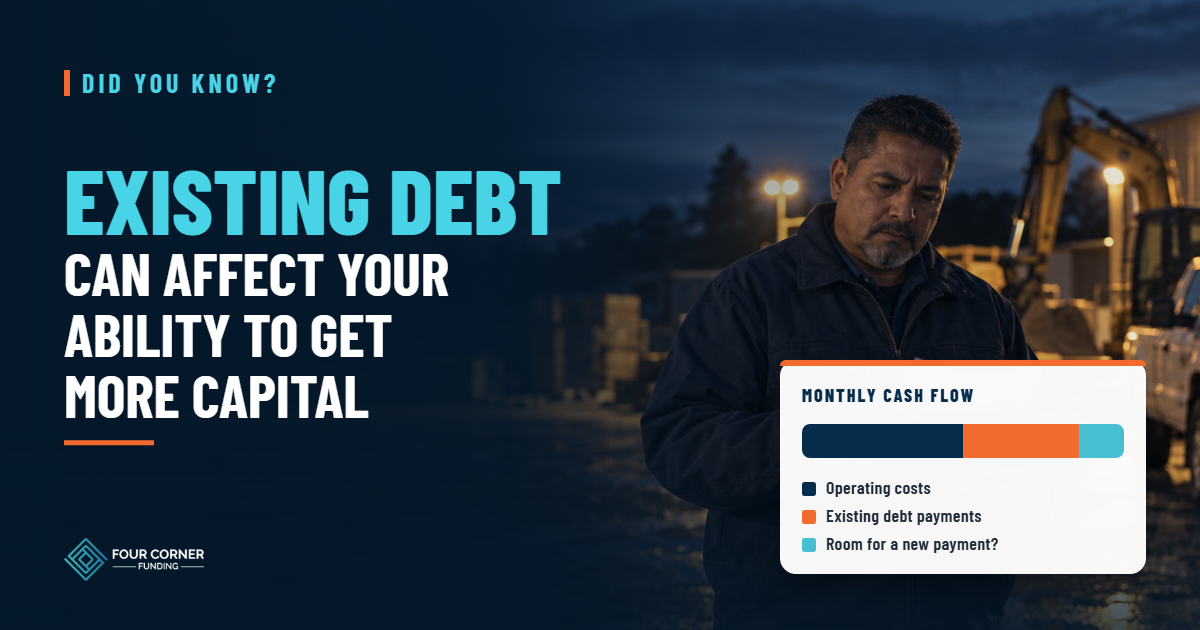
5. Existing Obligations
- Current debt load
- Payment burden
- Stacking risk
Why Most Businesses Skip This Step
Many businesses:
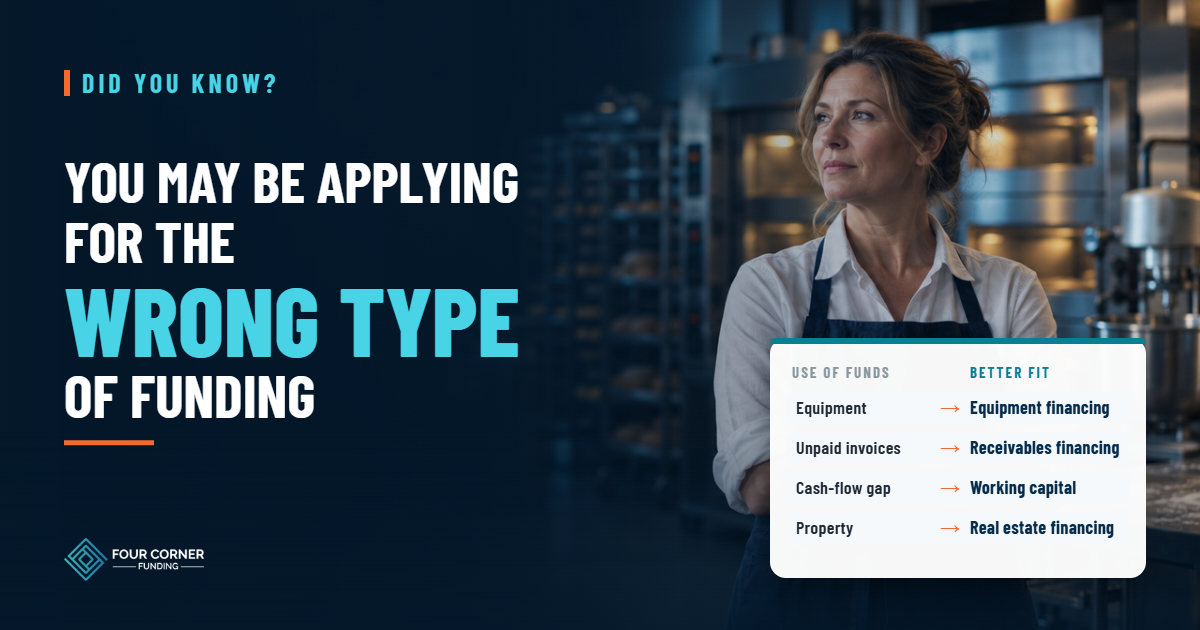
- Apply based on need rather than eligibility
- Rely on assumptions instead of data
- Are unaware of underwriting requirements
This leads to a cycle of:
Apply → Decline → Reapply → Decline
Pre-qualification exists to break that cycle.
Pre-Qualification vs. Full Application
It’s important to distinguish the two:
Pre-Qualification
- No formal submission
- No full document package
- Used for eligibility assessment
Full Application
- Submitted to lender
- Requires documentation
- Results in approval, decline, or conditions
Applying without pre-qualification is equivalent to submitting an application without knowing if it meets requirements.
How Pre-Qualification Improves Approval Outcomes
When used correctly, pre-qualification allows a business to:
- Apply at the right time
- Target the correct funding options
- Avoid unnecessary denials
- Strengthen weak areas before submission
This results in:
👉 Higher approval rates
👉 More efficient funding process
👉 Better long-term credit positioning
Operational Perspective: Eligibility Before Action
In structured systems, actions are based on eligibility—not urgency.
Pre-qualification establishes:
- Whether the business is ready
- What funding options are realistic
- What needs to be improved before applying
Without this step, decisions are reactive rather than strategic.
Pre-Qualification & Your Current Position (CTA)
If you want to determine where your business stands, the first step is to complete a pre-qualification assessment.
This evaluates:
- Credit profile
- Business structure
- Revenue and banking
- Funding readiness
From there, you can identify:
- Whether you qualify now
- What options are available
- What steps are required to improve eligibility
👉 Start here: https://fourcornerfunding.com/pre-qualification
Conclusion
Business funding pre-qualification is not optional—it is a critical step in the funding process.
It replaces guesswork with structured evaluation and ensures that applications are submitted based on eligibility, not assumptions.
Businesses that use pre-qualification approach funding strategically. Those that skip it rely on trial and error.