
Every tax professional knows this conversation. A business client sits down to go over the return and, somewhere between the depreciation schedule and the estimated payments, asks a different kind of question: “I need another truck. Can I get a loan for that?” Or: “The bank said I do not show enough income. What does that mean?”
You know that client’s numbers better than almost anyone. You have seen several years of revenue, the debt on the books, and how the entity is set up. And in most practices, the conversation ends the same way: you offer a general thought, maybe the name of a banker, and the client leaves to figure it out alone.
The funding question was asked in your office. The answer, and the relationship that comes with it, went somewhere else.
You See the Numbers Before Any Funding Source Does
CPAs, enrolled agents, accountants, and tax preparers already hold a position that most people in commercial finance spend years trying to earn:
- Recurring client relationships
- Trust on financial matters
- Year-over-year financial visibility
- Knowledge of the entity structure
- Awareness of existing debt
- Regular contact through the year
- Document discipline
- Early notice of growth plans
That last one matters most. When a client plans to buy equipment, hire, open a second location, or acquire a competitor, the person who prepares the return often hears about it first, because the client wants to know what it will do to the tax bill. Few advisors learn about a capital need earlier.
The Funding Questions Your Clients Already Bring You
Clients rarely say “I have a capital-strategy question.” They ask a tax question with a funding question inside it.
You are already having these conversations. What most practices lack is somewhere to take them.
The Tension Only a Tax Professional Sees
There is one funding issue that tax professionals understand better than anyone else in the client’s life.
Two readers, one return
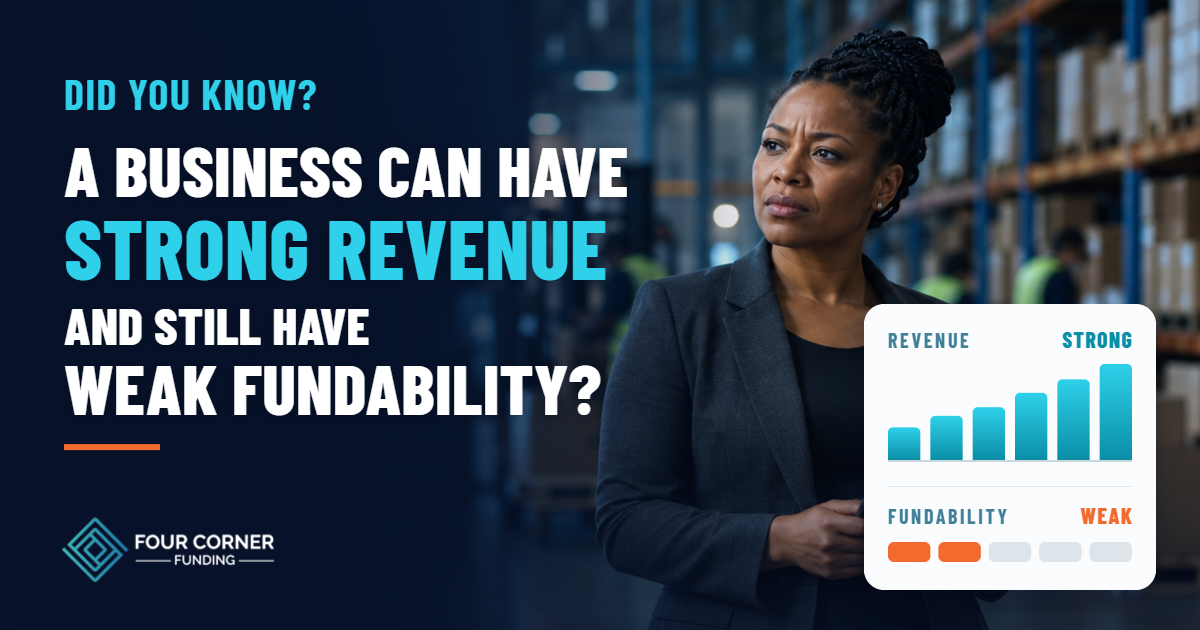
The return that lowers a client’s tax bill can also lower what a funding source sees.
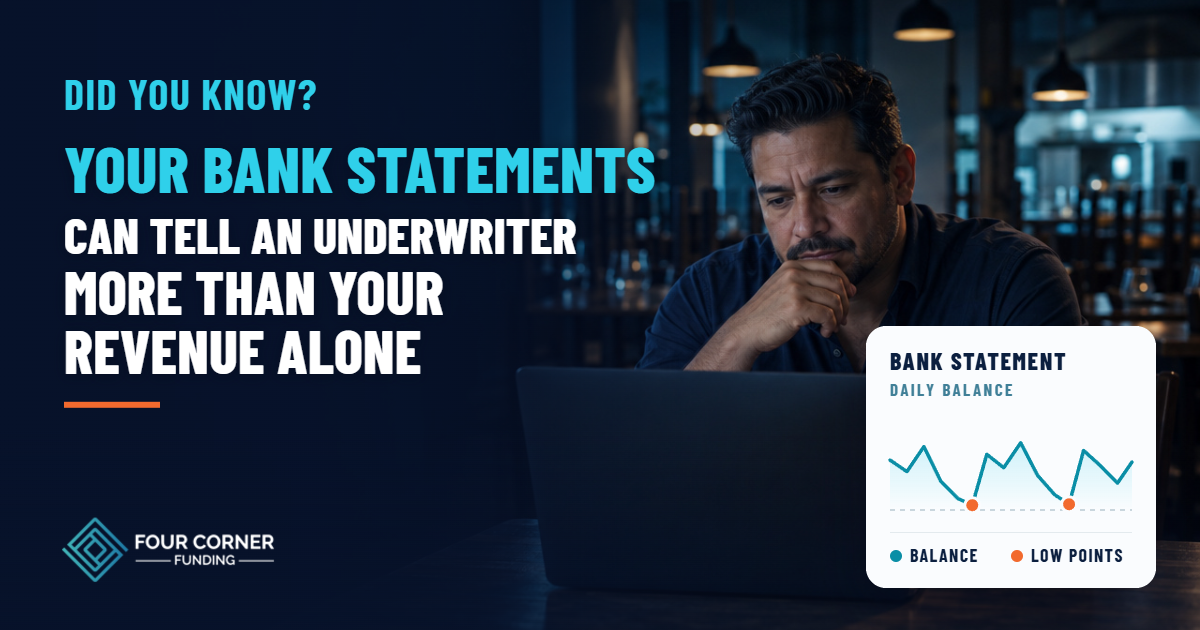
Depending on the financing product, a funding source may review tax returns, bank statements, financial statements, credit, or some combination. A client who asks “why do I not show enough income?” is running into that directly.
This is not a suggestion to prepare returns any differently. It is a reason for the capital conversation to happen earlier, with someone who understands both sides of it, so the client is not surprised months later in front of a lender.
You Do Not Have to Leave Your Practice or Become a Lender
Nothing here means giving up tax work. The idea is to add a service line next to it.
It also does not mean making credit decisions. Financing is provided by independent third-party funding sources, which do their own underwriting and make the final call. Your role is the one you already play: the trusted professional who knows the client and helps them take the right next step.
There is a practical fit as well. Tax work concentrates around filing deadlines. Your clients’ need for capital does not.
Year-round, not seasonal
Capital needs do not follow the filing calendar.
How Four Corner Funding’s White Label Model Works
Four Corner Funding White Label Partner Program
Your Brand. Your Clients. Your Platform.
Own Your Own Funding Company™
ACCESS CHANGES EVERYTHING™
A White Label Partner does not simply receive a referral link. The model is intended to let a practice offer a business-funding and business-credit service line under its own brand, using Four Corner’s technology and infrastructure.
The client relationship stays where it started: with you. Clients work with your firm, in your branded environment. See how the White Label Partner Program works.
The Platform and Infrastructure Behind It
Four Corner has built the operating infrastructure a funding company runs on, so a practice does not have to assemble it from separate tools. The platform may include:
Specific platform features may continue to evolve. A traditional lending background is not required; the training is there to cover the commercial-finance side.
What Your Clients May Need Over Time
A business owner’s capital needs change as the company grows. Depending on eligibility, a client might explore working capital, a business line of credit, equipment financing, SBA financing, receivables financing, acquisition financing, commercial real estate financing, or business-credit building. Not every client qualifies for every product, and many will need only one.
For the practice, that creates additional revenue opportunities through eligible commercial funding transactions, business credit services, and repeat client relationships. Compensation and program economics are governed by the executed partner agreement. No income or business result is guaranteed.
The larger point is continuity. You already see these clients every year. A funding service line gives you a reason to be useful to them between returns.
Before You Add a Service Line: Professional Considerations
Tax professionals work under obligations that other partners do not, and those come first. Before offering any additional compensated service, confirm what applies to you:
- Commissions and referral fees. Professional-conduct rules can restrict or require disclosure of them, and the rules differ by credential and by state.
- Independence. Firms that perform attest services need to consider independence requirements for those clients.
- Conflicts of interest and disclosure. Clients should understand when you may be compensated in connection with a service you introduce.
- Firm and employer policies. A firm, network, or employer may have its own rules on outside or ancillary services.
- Separation of services. Many practices keep a funding service line distinct from tax engagements, with its own agreements.
Your state board, your professional body, and your own counsel are the right sources for those answers. A service line built on clear disclosure protects the trust that made the client ask you in the first place.
Keep preparing returns.
Keep advising your clients.
Keep running your practice.
But when a business owner you serve needs capital, you do not necessarily have to send the opportunity somewhere else.
Own Your Own Funding Company™
Important information. Four Corner Funding is a brand of Four Corner Holdings, LLC. Four Corner Funding is not a lender. Financing is provided by independent third-party funding sources and is subject to underwriting, eligibility, documentation, geography, and approval. No financing result is guaranteed.
White Label Partner compensation and program terms are governed by the executed partner agreement. No income or business result is guaranteed.
CPAs, enrolled agents, tax preparers, and other regulated professionals should verify that offering additional services complies with applicable licensing, professional-conduct, independence, disclosure, firm, and regulatory requirements.
This article is general information, not legal, tax, accounting, or financial advice.